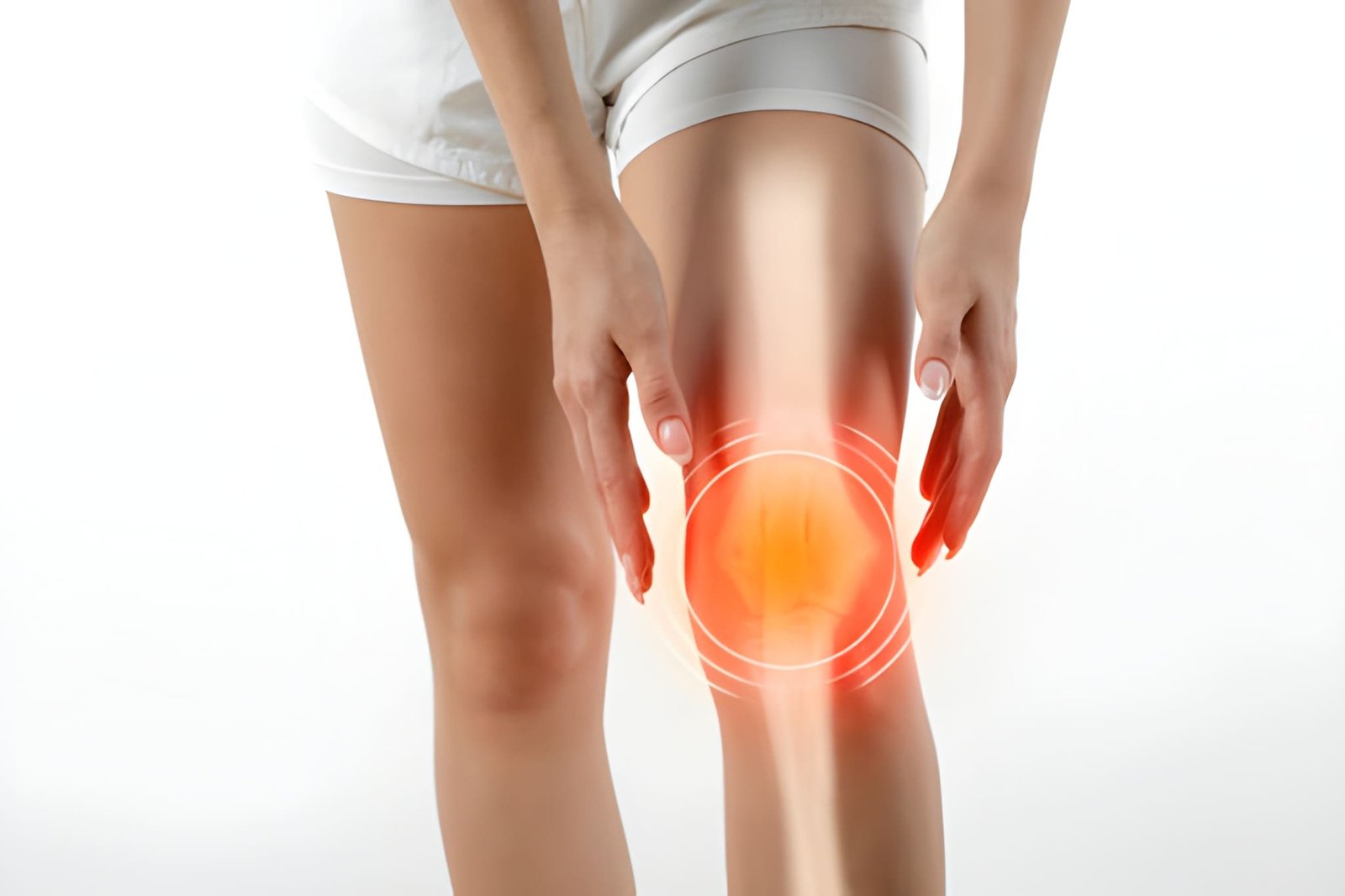
Best Knee Pain Treatment Specialist in Chembur
Knee pain is a common complaint, affecting people of all ages, from athletes to those dealing with the wear and tear of daily activities. The correct treatment methods for knee pain should be known by you to achieve better movement progress and enhanced life quality for your ongoing chronic pain or injury-related discomfort or stiffness. Dr. Ashwini Kumar Khokhar, the Best Knee Pain Treatment Specialist in Chembur, provides complete patient treatment in Chembur, based on his 8+ years of medical experience and his educational qualifications which include an MBBS degree from Indira Gandhi Government Medical College and an MS degree in Orthopaedics from KEM Hospital and a Fellowship in Robotic Joint Replacement at Lilavati & Breach Candy Hospital. His capabilities range from non-invasive treatments to cutting-edge joint procedures and surgical operations which assist patients in reducing knee discomfort while achieving their complete functional recovery.
Common Causes of Knee Pain
Osteoarthritis: The most common form of arthritis, causing cartilage in the knee joint to wear down over time, leading to pain and stiffness.
Tendonitis: Inflammation or irritation of the tendons surrounding the knee joint, often due to overuse or injury.
Ligament Injuries: Injuries such as ACL (anterior cruciate ligament) tears or MCL (medial collateral ligament) sprains, causing significant pain and instability.
Meniscus Tears: Damage to the cartilage that acts as a cushion between the shinbone and thighbone, resulting in pain, swelling, and limited movement
Patients experiencing persistent knee pain or restricted mobility are advised to consult Dr. Ashwini Kumar Khokhar, Best Knee Pain Treatment Specialist in Chembur, with 8+ years of experience, MBBS from Indira Gandhi Government Medical College, MS in Orthopaedics from KEM Hospital, and a Fellowship in Robotic Joint Replacement at Lilavati & Breach Candy Hospital, for expert diagnosis and advanced treatment options.
Symptoms Associated with Knee Pain
Swelling and Stiffness: Inflammation in the knee joint can lead to noticeable swelling and a reduction in range of motion.
Redness and Warmth: The knee may become red and warm to the touch, particularly if there is an infection or inflammation.
Weakness or Instability: Feeling like the knee may “give out” when putting weight on it, often due to ligament or structural issues.
Popping or Crunching Noises: Sounds during movement can indicate cartilage damage or a loose body within the knee joint.
Inability to Fully Straighten the Knee: This can be due to swelling, stiffness, or structural damage within the knee.
Risk Factors for Knee Pain
Age: The risk of Knee Pain increases with age due to wear and tear on the joints.
Weight: Excess body weight adds stress to the knee joints, especially during activities like walking or climbing stairs.
Physical Activity: High-impact activities, sports, or occupations that involve repetitive knee movements can increase the risk of Knee Pain.
Previous Injuries: Past knee injuries make the joint more susceptible to future Knee Pain.
Lack of Muscle Strength: Weak muscles around the knee can lead to instability and increased risk of injury.
Knee Pain Treatment Options
Physical Therapy (PT): One of the most effective treatments for knee pain is physical therapy. A licensed therapist will design a personalized program of exercises to strengthen the muscles around the knee joint, improve flexibility, and increase range of motion. Physical therapy can be highly effective in restoring function and alleviating pain, especially for conditions like arthritis, tendonitis, and post-injury recovery.
Over-the-Counter Medications Nonsteroidal: anti-inflammatory drugs (NSAIDs) like ibuprofen or aspirin can be used to reduce inflammation and relieve pain. For less severe cases, acetaminophen may also provide relief. However, it’s important to follow the recommended dosage and not rely on medications long-term.
Corticosteroid Injections : For more severe knee pain, especially from arthritis or inflammation, corticosteroid injections may offer significant relief. These injections deliver powerful anti-inflammatory medication directly into the knee joint, providing temporary but effective pain reduction. This can help individuals engage in physical therapy and other rehabilitation exercises.
Viscosupplementation (Hyaluronic Acid Injections): In cases of knee osteoarthritis, hyaluronic acid injections may help lubricate the knee joint and reduce pain. The injections restore the lost cushioning and improve joint function, making movement less painful.
Cold and Heat: Therapy Applying ice packs or cold compresses can reduce swelling and numb the pain, particularly in the first 48 hours after an injury. Heat therapy, such as heating pads or warm baths, can improve blood circulation, relax tight muscles, and alleviate stiffness.
Lifestyle Modifications: Making lifestyle adjustments can prevent further knee pain. For instance, maintaining a healthy weight reduces the strain on your knees. Avoiding activities that exacerbate knee pain (e.g., high-impact sports or excessive walking) can also help manage discomfort.
Surgical Knee Pain Treatment
Arthroscopy Knee arthroscopy is a minimally invasive procedure in which a small camera is inserted into the knee joint to diagnose and treat various knee problems. Surgeons can remove damaged tissue, repair torn cartilage, and even smooth rough areas of bone or cartilage.
Knee Replacement Surgery (Total or Partial): For individuals with advanced knee arthritis or extensive damage to the joint, knee replacement surgery may be the most effective solution. In this procedure, the damaged joint is replaced with an artificial prosthesis. A total knee replacement involves replacing the entire knee joint, while partial knee replacement targets only the damaged area.
Meniscus Repair or Removal If you have a meniscus tear, surgery may be required to repair or remove the damaged cartilage. A meniscectomy involves removing the torn piece of cartilage, while a meniscus repair stitches the tear back together. The choice of procedure depends on the size and location of the tear.
Ligament Reconstruction Surgery For those with ligament injuries like an ACL tear, ligament reconstruction surgery can restore stability to the knee. During the procedure, the damaged ligament is replaced with tissue taken from another part of the body or from a donor.
Conclusion
For effective relief from knee pain and improved mobility, consult Dr. Ashwini Kumar Khokhar, Best Knee Pain Treatment Specialist in Chembur, with 8+ years of experience. He provides personalized non-surgical and surgical treatments to restore joint function, reduce pain, and enhance quality of life. Call 9653225935 today to book your consultation.
FAQs
Q.1.Who is the best knee pain treatment specialist in Chembur?
A: Dr. Ashwini Kumar Khokhar, with 8+ years of experience, provides advanced care for chronic and acute knee pain, injuries, and joint problems.
Q.2.What are the most common causes of knee pain?
A: Knee pain can be caused by osteoarthritis, tendonitis, ligament injuries (ACL/MCL), meniscus tears, injuries, or wear and tear from daily activities.
Q.3.What non-surgical treatments are available for knee pain?
A: Physical therapy, NSAIDs, corticosteroid or hyaluronic acid injections, cold/heat therapy, and lifestyle modifications can relieve pain and improve mobility.
Q.4.When is knee surgery required?
A: Surgery is considered for severe arthritis, ligament tears, meniscus injuries, or when non-surgical treatments fail to relieve pain.
Q.5.What surgical options are available?
A: Arthroscopy, partial or total knee replacement, meniscus repair/removal, and ligament reconstruction are common procedures for advanced knee problems.
Q.6.How long is recovery after knee surgery?
A: Recovery depends on the procedure and patient’s health, typically ranging from 6 weeks to 6 months with physiotherapy and rehabilitation.
Q.7.How can I book a consultation with Dr. Khokhar?
A: Patients can consult Dr. Ashwini Kumar Khokhar, Best Knee Pain Treatment Specialist in Chembur, by calling 9653225935 or visiting Dr. Das Multi-Speciality Hospital.