Fracture Care
Fractures, commonly known as broken bones, can occur due to accidents, falls, sports injuries, or trauma. Prompt diagnosis and proper treatment are essential to ensure correct bone healing and to restore normal movement and function.
Our fracture care services focus on providing accurate diagnosis, effective treatment, and comprehensive rehabilitation to help patients recover safely and return to their daily activities as quickly as possible. With advanced medical techniques and personalized care, we aim to ensure optimal healing and long-term bone health.
Types of Fractures Treated
We provide treatment for a wide range of bone fractures, including:
-
Simple (Closed) Fractures
-
Open (Compound) Fractures
-
Stress Fractures
-
Comminuted Fractures (bone broken into multiple pieces)
-
Joint Fractures
-
Fractures caused by sports injuries or accidents
Each fracture type requires a specific treatment approach depending on the severity, location, and overall health of the patient.
Fracture Treatment Options
Treatment for fractures depends on the type and severity of the injury. Our orthopaedic specialist provides both non-surgical and surgical treatment options.
Non-Surgical Treatment
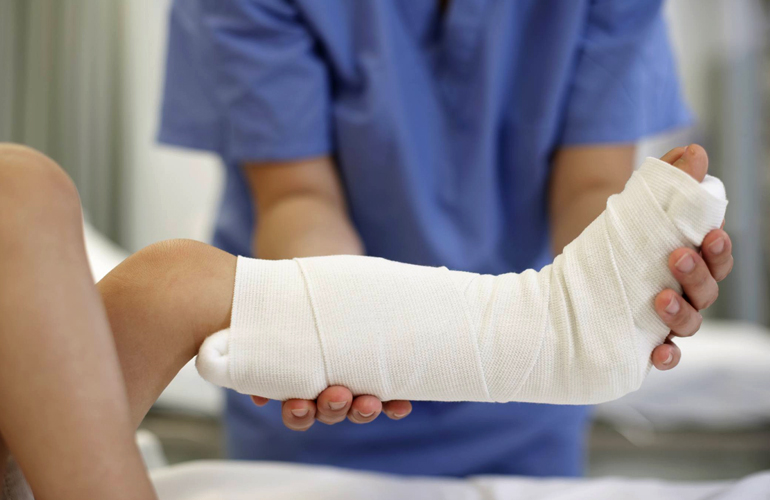
Minor fractures may be treated using casts, splints, or braces to immobilize the bone and allow natural healing.
Surgical Treatment
In more complex fractures, surgical intervention may be required to properly align and stabilize the bone using medical implants such as plates, screws, or rods.
Modern surgical techniques help ensure precise bone alignment and faster recovery.
Symptoms of a Bone Fracture
Common signs and symptoms of a fracture include:
-
Severe pain at the injury site
-
Swelling and bruising
-
Difficulty moving the affected limb
-
Visible deformity or misalignment
-
Tenderness and inability to bear weight
If any of these symptoms occur after an injury or accident, immediate medical evaluation is recommended.
Recovery and Rehabilitation
Recovery from a fracture varies depending on the type of fracture and treatment provided. Proper immobilization, physiotherapy, and guided rehabilitation exercises play a crucial role in restoring strength, flexibility, and normal movement.
Regular follow-up consultations help monitor healing progress and ensure the bone heals correctly.